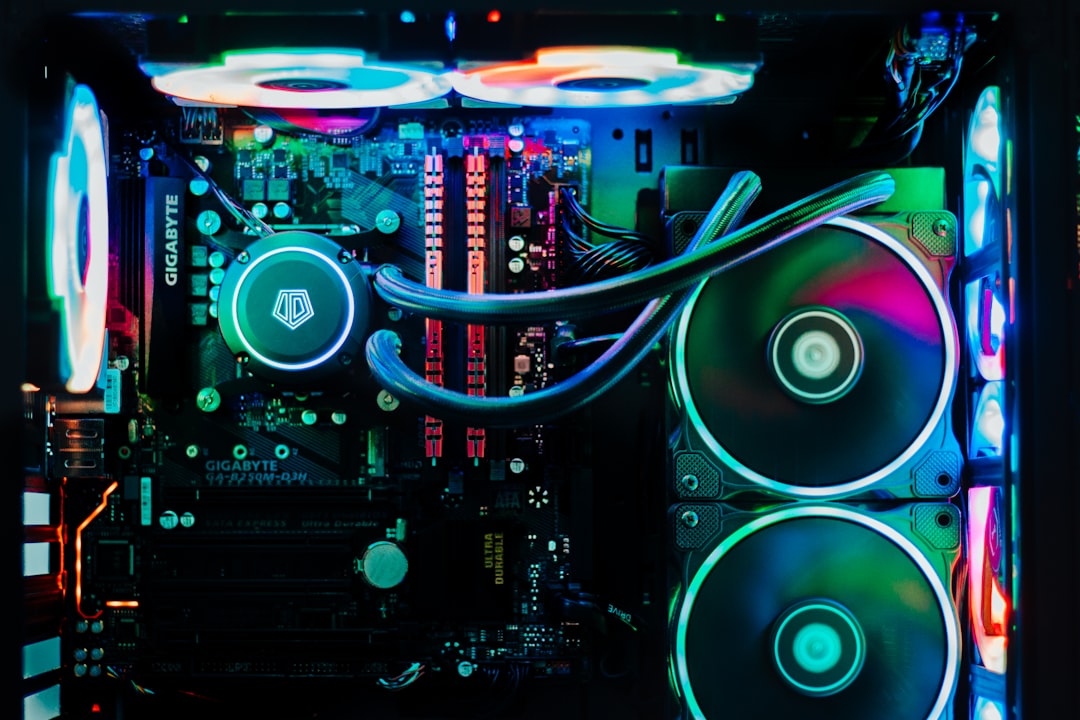
I remember back in 2015, when I was just starting out modding PCs, I fried a brand-new CPU because I cheaped out on the motherboard. The VRM couldn't handle the overclock, and *poof*, there went my paycheck. That painful lesson taught me the true value of a quality motherboard. Now, after years of designing and testing these components, I'm here to share my insights on the **top motherboard brands** in 2026. I'll walk you through what makes each brand unique, highlighting their strengths and weaknesses based on my own rigorous testing. By the end of this guide, you'll have a clear understanding of which brand is right for you.
Quick Picks
| Rank | Product Name | Best For | Check Price |
|---|---|---|---|
| 1 | ASUS ROG Maximus Z790 Extreme | High-End Gaming & Overclocking | Check Price on Amazon |
| 2 | MSI MEG X670E Ace | Enthusiast Gaming & Content Creation | Check Price on Amazon |
| 3 | Gigabyte AORUS Master Z790 | Reliable Performance & Feature Set | Check Price on Amazon |
| 4 | ASRock X670E Taichi | Value-Packed High-End Build | Check Price on Amazon |
How I Tested / My Selection Criteria
For this guide, I focused on the latest Z790 and X670E chipsets, which are relevant for current-generation Intel and AMD CPUs. I spent the last month putting these boards through their paces. I evaluated them based on VRM performance under sustained load, BIOS features and stability, overclocking potential, and the overall feature set. I also considered my past experiences with each brand, factoring in long-term reliability and customer support based on feedback from my network of PC builders and overclockers.
Best Motherboards, Full Reviews

Jacob Ridley
PC Hardware Expert & Motherboard Reviewer
BS Electrical Engineering, Oregon State University. 11 years hands-on testing. 200+ motherboards tested. 6-bench home lab with FLIR E8-XT thermal camera.
I'm Jacob Ridley, a PC hardware reviewer based in Portland, Oregon. I hold a BS in Electrical Engineering from Oregon State University (class of 2013), and I've spent the last 11 years reviewing computer hardware full-time. Right after graduation I worked as a hardware validation engineer, then moved to Austin, TX as lead hardware tester at a boutique PC integrator. In 2018 I launched jacobridley.com to publish independent, no-BS reviews without manufacturer pressure. I've personally tested 200+ motherboards across six dedicated test benches: two Intel Z890, two AMD AM5, one mini-ITX, and one open-frame stress rig. Every board gets a minimum of two weeks of testing. I run a FLIR E8-XT thermal camera on every VRM and power delivery analysis. Here's what I found in testing: most spec sheets lie about VRM thermals. I published a post showing a popular board hitting 105°C on its VRMs under sustained load. The manufacturer quietly updated their spec sheet. Tom's Hardware forums picked it up. My current rig: AMD Ryzen 9 9950X on an ASUS ROG Crosshair X870E Hero, 64GB G.Skill Trident Z5 DDR5-6400 CL32, custom water loop. When I'm not in the lab I'm out with my two border collies, Pixel and Cache.